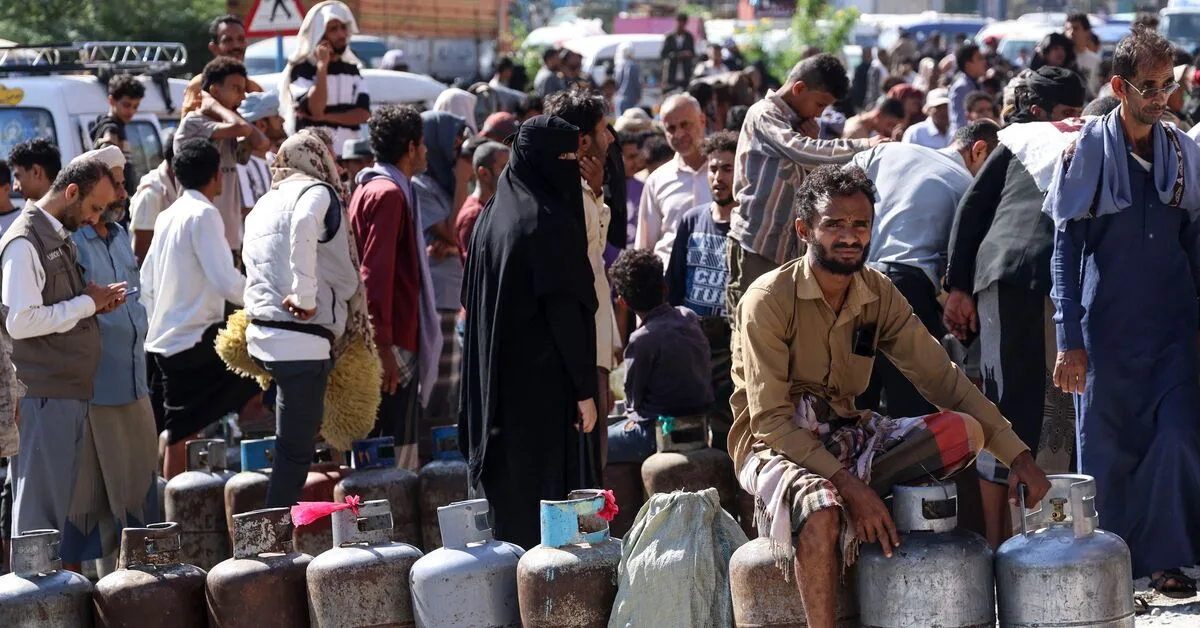
The United Nations announced on Tuesday that over 250,000 people have been displaced due to recent conflicts in Yemen. This insecurity has particularly escalated following intensified Houthi efforts to defeat government forces in the war-torn province of Taiz and attacks deep into Saudi Arabian territory.
Statistics on Displaced Persons and Affected Areas
According to information provided by the United Nations High Commissioner for Refugees (UNHCR), the number of displaced persons has exceeded 250,000 since the beginning of August until October 17. Specifically, 76 percent of these individuals have fled from Taiz province, which also hosts 52 percent of the total new displaced persons. Lahij province accounts for 23 percent and Aden province for 13 percent of other displaced areas.
Read more: The United Nations Calls for Humanitarian Aid to the Besieged City of Taiz, Yemen
Consequences and Status of Displaced Persons
Most recent displaced persons have remained within Yemen, but over 3,800 Yemenis have fled to Djibouti and more than 240 to Somalia. This situation not only exacerbates the humanitarian crisis in Yemen but also places additional pressure on neighboring countries and the international community to provide humanitarian assistance and support for the displaced.
Given the harsh humanitarian conditions and ongoing conflicts, the United Nations and other international organizations emphasize the urgent need for immediate aid. Additionally, these conflicts have jeopardized the lives and livelihoods of millions of others in Yemen who are currently in need of humanitarian assistance.
The escalation of conflicts and the humanitarian crisis in Yemen highlight the necessity for greater global attention to this crisis and efforts to find sustainable solutions. The international community must act swiftly to prevent a humanitarian disaster in Yemen and support the people of this country.
Read more: Turkey Will Continue Its Military Presence in Syria and Iraq Until Border Security is Ensured · Egypt Ready to Cooperate with Saudi Arabia in Defense of Its Security