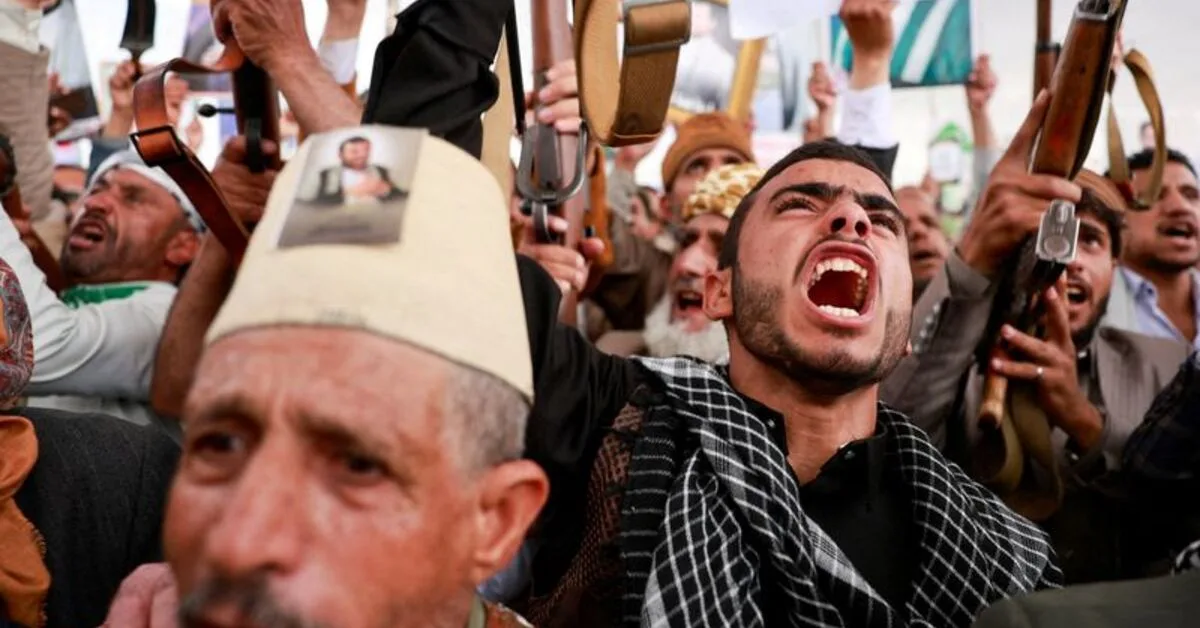
In recent days, the Houthis have carried out missile and aerial attacks on Saudi Arabia's positions in Yemen and have repeatedly fired towards Saudi Arabia. These actions represent a serious threat to oil exports, as one of the world's largest energy producers, and are part of a broader conflict in the Middle East that began with U.S. and Israeli airstrikes on Iran in February.
New Houthi Attacks and Saudi Response
On Thursday, the Houthis announced that they had fired dozens of missiles and drones at targets in Saudi Arabia. Saudi officials also reported the destruction of six Houthi ballistic missiles. These actions led to emergency alerts being issued in various areas, including the holy city of Mecca, Jeddah, and Yanbu, Saudi Arabia's main oil port on the Red Sea.
Read more: France is drafting a new resolution for the UN Security Council regarding the Strait of Hormuz
In light of these threats, Saudi Arabia has called on its forces to be ready to sacrifice themselves against the Houthis, with this order being announced by a senior religious official in the country.
Iran's Response and Diplomatic Efforts
Meanwhile, Iran's President, Ebrahim Raisi, in a television interview, attempted to distance Iran from the Houthis, stating that the Houthis are responsible for their own actions. These remarks came as tensions between the United States and Iran seem to have been suspended, with diplomatic efforts underway in New York, mediated by Qatar.
Abbas Araghchi, Iran's Foreign Minister, announced that Tehran has made proposals to the United States through intermediaries that, if Iran's conditions are met, the Strait of Hormuz will be reopened. He also added that they are seeking to end hostilities on all fronts, including Lebanon, within seven days.
Consequences of War and Sanctions
This war, which began in February under former U.S. President Donald Trump alongside Israel, has resulted in thousands of deaths and disrupted global energy supplies, driving up oil prices. While the United States and Iran have largely avoided direct confrontation, Iran's allies in the region, including Hezbollah and the Houthis, continue their activities.
Iran and its allies have exerted significant pressure on Saudi oil exports. The Houthis have disrupted shipping traffic at the entrance to the Red Sea, and Iran has effectively limited tanker traffic in the Strait of Hormuz. This strait is recognized as a vital passage for 20 percent of the world's oil exports.
In the meantime, the United States has announced that due to a lack of progress on the battlefield, it has changed its strategy and is targeting companies from third countries that trade with Iran. This action, known as "secondary sanctions," has recently included a ban on Iranian airlines flying to neighboring countries such as the United Arab Emirates and Oman.
The Security Analysts Center has examined Iran's direct influence on the Houthis and emphasized that the Houthis' progress along the Yemeni Red Sea coast has been carried out under the direct guidance of Iran's Islamic Revolutionary Guard Corps.
Read more: The Sultanate of Oman participated in the ministerial meeting of the Cooperation Council in New York · Iranian officials emphasized diplomacy towards the United States