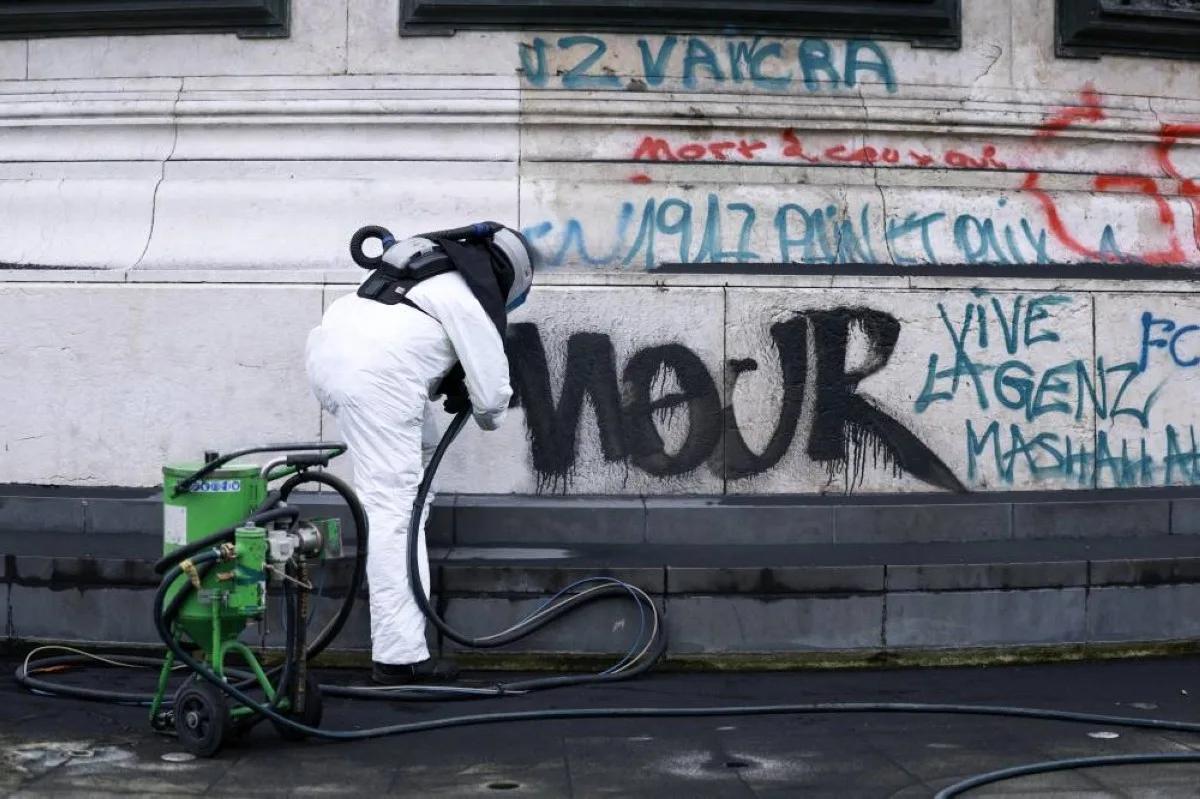
French Prime Minister, Sébastien Lecornu, will meet with union leaders on Wednesday to prepare for new protests scheduled for Saturday in the wake of recent unrest. Last week's protests turned into the worst riots in recent years, and Lecornu has predicted that a "very" large police force will be deployed for these protests.
Government's Response to Unrest
The French government has acknowledged that the police have failed to control the recent unrest. These disturbances, which were held in protest against rising prices, escalated into clashes, destruction of public property, and looting. In response to these events, officials in some areas of Paris and other cities have imposed partial curfews. These regulations have prevented many travelers from returning home, although some understood the necessity of the measures.
Read more: Helen Haines, Australian MP, Loses One of Her Legs After Car Attack
Impact on Financial Markets
This unrest, which followed weeks of student protests, has affected financial markets and led to a decline in the value of the Paris stock market and government bonds. Moody's is expected to downgrade France's public debt rating on Friday; this debt is one of the highest relative to GDP in the European Union. Meanwhile, Italy and Belgium are also facing similar unrest, albeit on a smaller scale, with Italy deploying 500 soldiers to Milan.
Lecornu will tell representatives of five unions that the government is seeking "ways and means" to ensure the fundamental right to protest. Sophie Binet, head of the CGT union, has stated that Lecornu must respond to the demands of the unions and young protesters, mentioning the "legitimate and immense anger" in France. The CGT is calling for an increase in the minimum wage, salaries that align with inflation, and adequate funding for schools and public services.
The Yellow Vest movement informed officials on Wednesday that their march in Paris will start from the Bastille Square on Saturday and is also planning for nationwide protests on November 5. France's problems have become more complicated in the final months of Emmanuel Macron's presidency. Far-right and far-left politicians competing to succeed him in the April and May elections are reluctant to cooperate with Macron's government. The parliament is so divided that Lecornu has little chance of passing a budget that needs to be approved by the end of the year.
Lawmakers decided on Tuesday to initiate a parliamentary inquiry into the unrest. According to the Minister of Justice, nearly 150 people have been arrested and over 800 have been brought before the courts.
Read more: Afghanistan Faces Severe Food Crisis · Poland Seeks to Strengthen Economic Ties with India