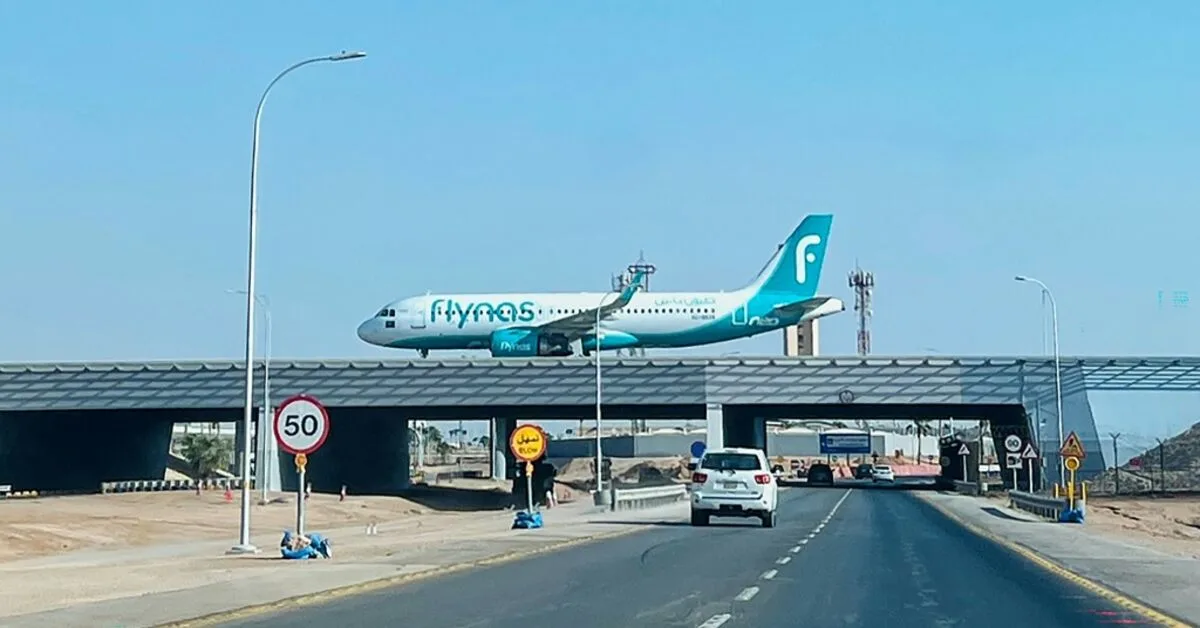
The Group of Seven (G7), consisting of Canada, France, Germany, Italy, Japan, the United Kingdom, and the United States, on Tuesday called on the Houthis of Yemen to immediately cease their attacks on Saudi Arabia. This request was made as a symbol of solidarity with Riyadh, as Houthi forces backed by Tehran pose a new threat of war in the Middle East.
Rising Tensions in the Middle East
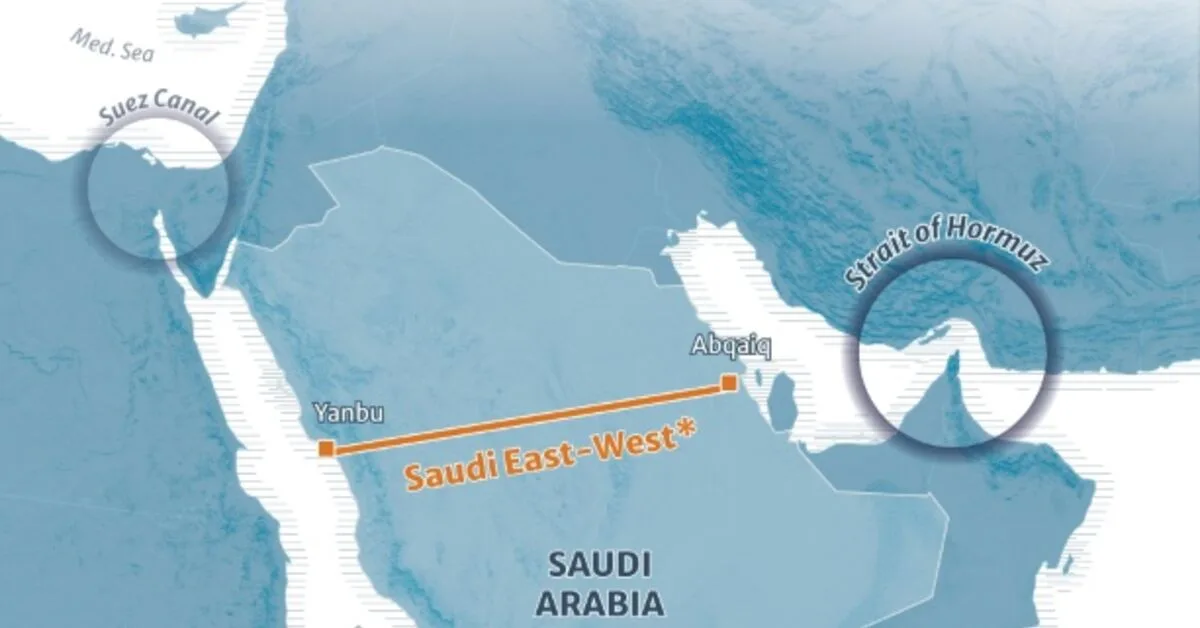
The Houthis' actions in recent weeks, including a sudden attack on the Red Sea coast of Yemen, including Mokha, have become a threat to global trade and rising energy prices. These developments have consolidated Iran and its allies' control over two key waterways, including the Strait of Hormuz, which Saudi Arabia, as one of the largest oil exporters, is heavily dependent on.
Read more: Pakistan reports the deaths of 28 militants in airstrikes
In a statement issued by G7 leaders, they stated: "We urge the Houthis to immediately halt all military actions." They also called on Iran to "stop its military and arms support for the Houthis" and declared this a violation of previous United Nations Security Council resolutions.
Humanitarian and Military Consequences
The war in Yemen, which began in 2014 with the Houthi takeover of the capital Sana'a, had largely ceased in 2022 but resumed in July. Saudi Arabia has led an international coalition since 2015 to support the internationally recognized Yemeni government. This intervention has led to one of the worst humanitarian crises in the world.
According to reports, Saudi airstrikes on the strategic port of Mokha in Yemen have left at least six dead and eight injured. These attacks followed a Houthi strike on Riyadh on Saturday, which is considered the first attack on the Saudi capital in recent years and clearly indicates rising tensions.
Recently, the United Kingdom has also provided military assistance to Saudi Arabia and is set to conduct "defensive air refueling" for Saudi aircraft. France has also expressed support for Saudi Arabia and stated that it is ready to assist in securing Saudi energy infrastructure targeted by the Houthis, describing this approach as "completely defensive."
Meanwhile, Rashad al-Alimi, the head of Yemen's Presidential Council, has contacted the President of the United States and requested support from America against Houthi forces. There are also reports of Crown Prince Mohammed bin Salman of Saudi Arabia contacting Trump, asking him to take action against the Houthis.
These developments occur in the context of the war between the United States and Iran and the attacks by Tehran-backed Houthi forces in the region. In this situation, the Houthis, also known as Ansar Allah (Supporters of God), have intensified their threats against Saudi Arabia and its allies.
Read more: World Food Program responds to the escalating crisis in Yemen · Trump and military options in dealing with Iran