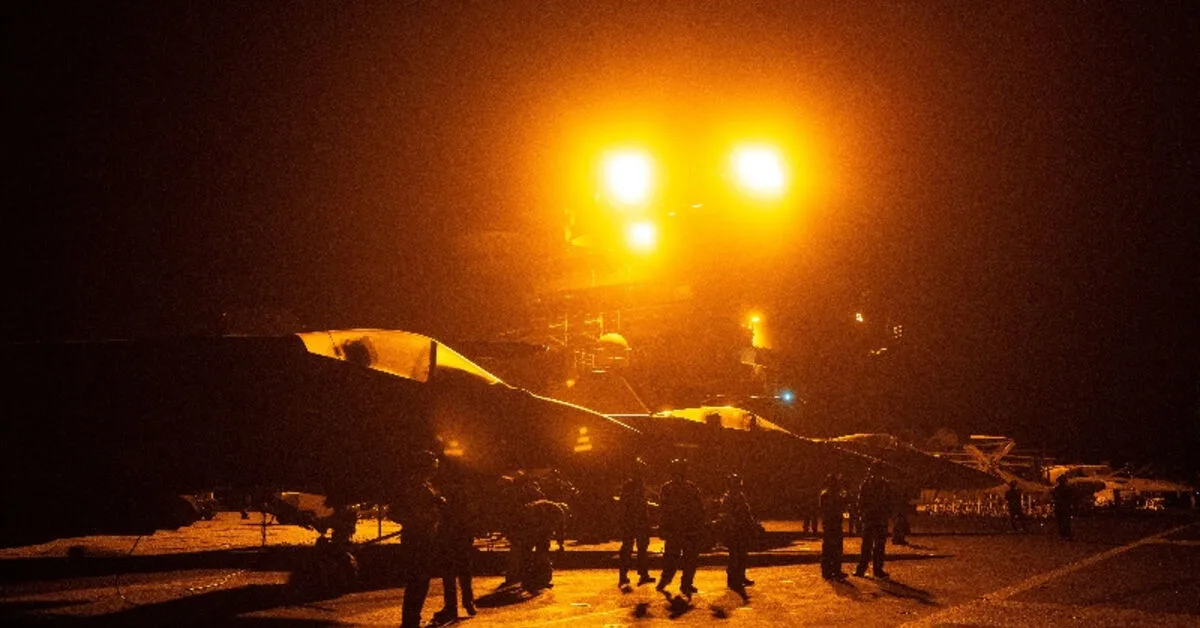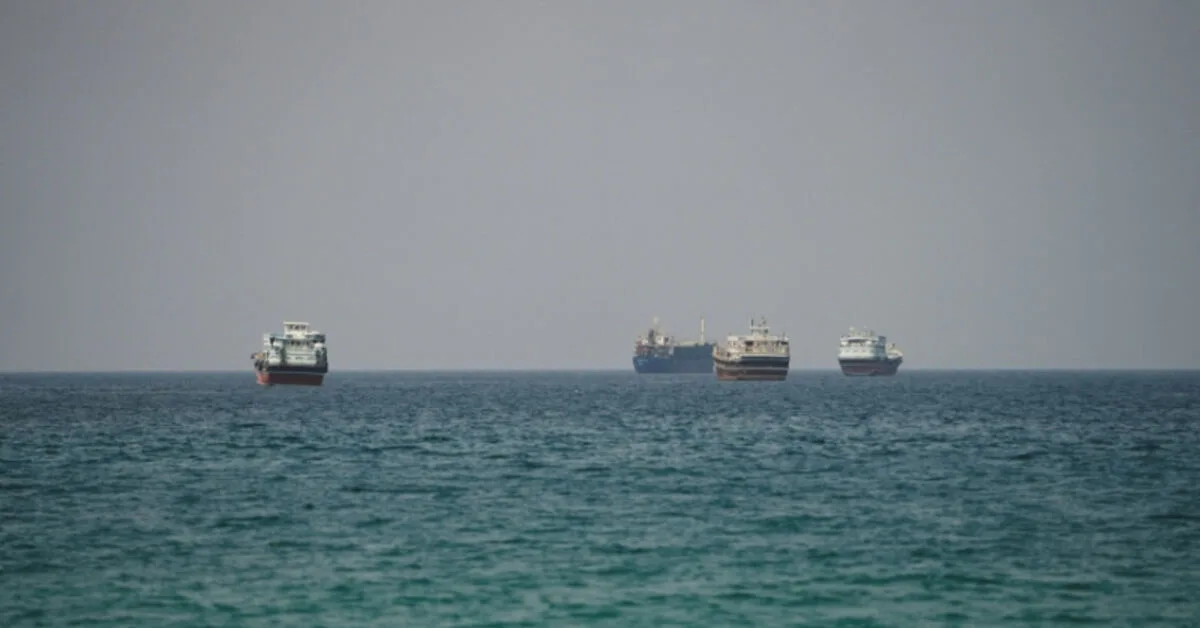
The Gulf Arab countries, including Saudi Arabia, the United Arab Emirates, and Bahrain, have decided to cancel the scheduled meeting with Iran. This meeting, which was supposed to take place on Monday, has been suspended due to escalating tensions in the region and recent attacks by Ansar Allah of Yemen on Saudi Arabia.
Impacts of New Tensions on the Region
This decision by the Gulf countries comes as Ansar Allah of Yemen, a group that has initiated extensive conflicts in Yemen and its surroundings in recent years, has carried out a new attack on Saudi Arabia. This attack clearly indicates the escalation of tensions in the region and raises concerns about the security of global oil supply.
Read more: Iraqchi: The Iran-Oman understanding defines new routes in the Strait of Hormuz
The tensions arising from the Yemen war and regional conflicts have significantly impacted the oil market and the economic stability of the Gulf countries. Meanwhile, Western countries and international organizations are also seeking diplomatic solutions to reduce tensions.
Short-term and Long-term Consequences
The cancellation of the meeting with Iran could have significant implications for the security and stability of the region. This action is likely to lead to increased tensions and conflicts, negatively affecting trust among the countries in the region. Additionally, this situation could impact energy costs and oil prices in the global market, in turn putting pressure on oil-dependent economies in the Gulf.
The continuation of these conflicts in Yemen and tensions between Iran and the Gulf countries remains one of the main challenges to security and stability in the Middle East. Therefore, the need for active diplomacy and international efforts to resolve these crises is increasingly felt.
Read more: Iraqchi: The agenda for tomorrow's meeting in Oman is a new maritime route in the Strait of Hormuz · Houthi advances in Yemen and new challenges for the Gulf countries