The IRGC Navy captured the second American drone in the Hormuz Strait on Sunday. This system, known as Rimos 600, is designed for missions such as seabed mapping, underwater reconnaissance, mine detection, and environmental data collection. This event demonstrates Iran's increasing military and naval capabilities.
Difficulties of U.S. Naval Operations
Alongside this event, clear signs of the difficulties faced by U.S. naval operations around the Hormuz Strait are evident. This reality is clearly reflected in the recent actions of the White House. The country has attempted to distort the facts to suggest that Tehran no longer holds the upper hand in the developments of this region. However, the facts clearly indicate a shift in the balance of power in favor of Iran.
Read more: Bahrain to the UN: Iran's Attacks on 72 Ships in the Hormuz Strait
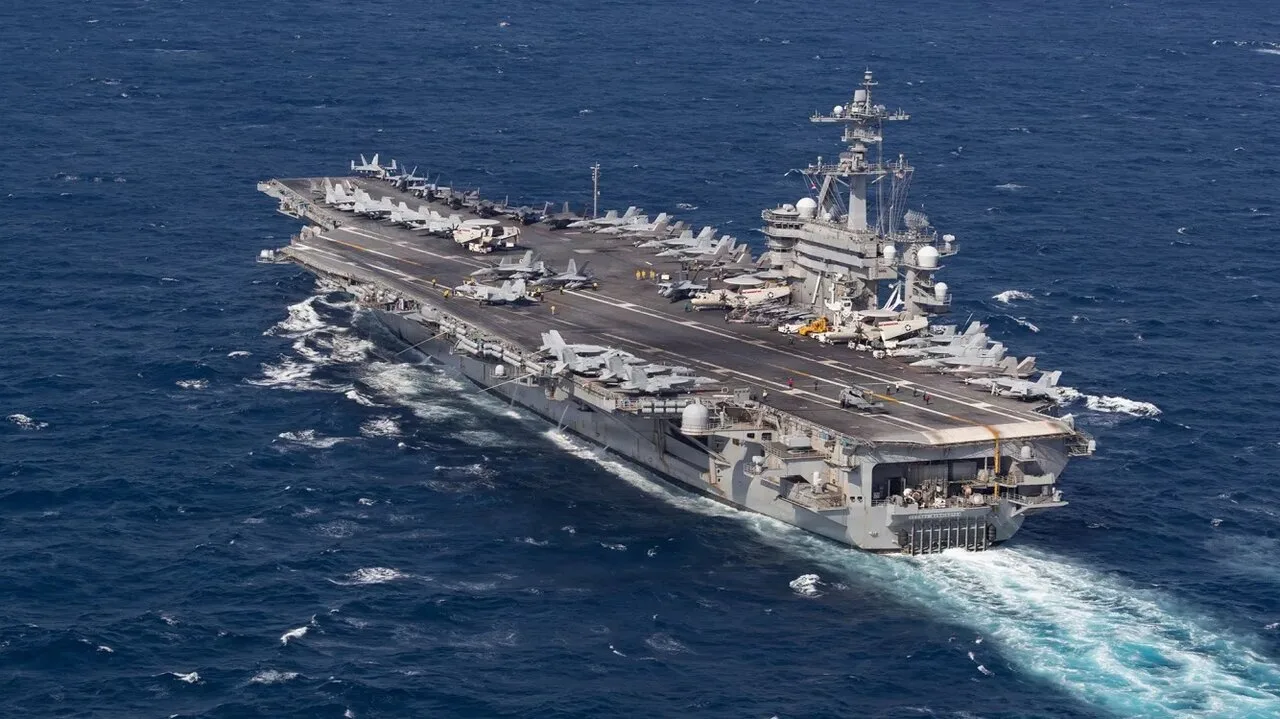
Given the capture of the second American underwater vessel, the U.S. naval fleet has completely retreated from the Hormuz Strait. This retreat is due to fears of Iran's anti-ship ballistic missiles, showcasing the defensive capabilities of this country.
Statistics and Assessments of Ship Traffic
The statistics provided regarding the level of ship traffic in this strategic waterway also clearly reflect the existing changes. Predictions about traffic conditions before the war, on February 27 (8 Esfand 1404), and also during the first 12 days of the war, based on data from the Kepler Institute, provide a clear picture of the existing changes. The traffic situation after the start of the second blockade, from July 7 to August 22, also indicates serious challenges for the U.S. naval fleet in this region.
Overall, these developments in the Hormuz Strait clearly represent a shift in the balance of power in favor of Iran and the increasing difficulties for the U.S. in managing naval operations in this waterway. These realities are particularly significant in the current context of rising tensions in the region and could have wide-ranging impacts on regional and international policies.
Read more: Meeting of Seyed Abbas Araghchi and Faisal bin Farhan to Strengthen Bilateral Relations · Trump Administration Released a Map of the Persian Gulf Without Qatar and Bahrain