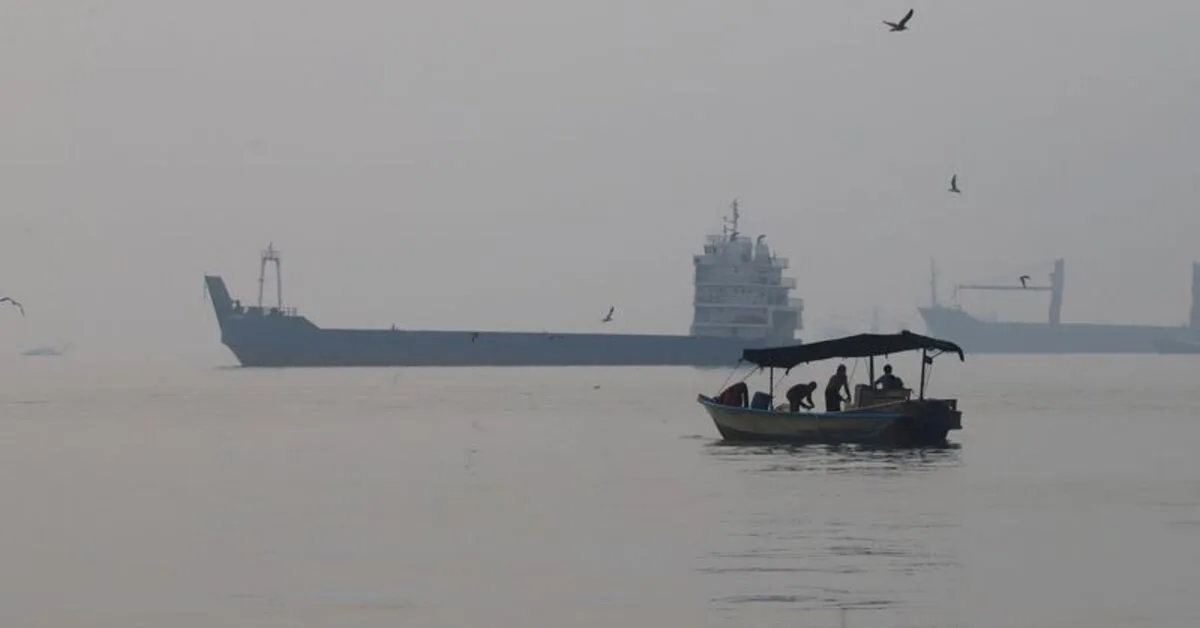
Attacks on tankers carrying oil, liquefied natural gas, and liquefied petrochemicals in the Strait of Hormuz during the week from September 28 to October 5 have increased to at least 12 incidents. This figure represents the highest number of attacks in a week since the start of the Iran war with the United States on February 28. The statistics clearly indicate Iran's intent to maintain a presence in key transit routes and exert pressure on passing ships.
Details of Recent Attacks
According to information from maritime security sources, 12 attacks on tankers occurred in the Strait of Hormuz last week. These attacks involved ships carrying oil and liquefied natural gas that were passing through this strategic strait. These developments come as Gulf producers are trying to increase their exports.
Read more: Oman Conducted Rescue Operations for 10 Crew Members After Attack on Oil Tanker
Impact on Oil Exports
Gulf oil exports reached pre-war levels in the first half of September, but attacks on tankers and logistical constraints have affected the outlook for stable flows. Additionally, the Indian Ministry of External Affairs announced that following an attack on the Panamanian oil tanker "On Peace," 12 crew members were injured. This incident occurred while passing through the Strait of Hormuz and highlights the increasing security risks in the region.
According to data collected by the International Maritime Organization (IMO) affiliated with the United Nations, 9 incidents involving ships were recorded last week. This organization typically provides more accurate statistics due to the need for longer confirmation and official registration. The closest week in terms of the number of incidents to this week was the week of July 13 with 8 incidents.
Given the increase in attacks on ships, this issue could have profound effects on the global oil market and raise concerns for producers and consumers. This situation clearly reflects the security challenges in the Strait of Hormuz, which is considered one of the most important transit routes in the world.
Read more: Iran's Representative Responds to Bahrain's Claims at the United Nations · Bahrain and the Islamic Republic of Iran in Maritime Affairs in the Persian Gulf