Iran has rejected the proposal by Sergey Lavrov, the Russian Foreign Minister, to manage the Strait of Hormuz as part of a consortium. This action comes as rumors of Iran transferring uranium to Russia have also been strongly denied.
Details of Lavrov's Visit to Tehran
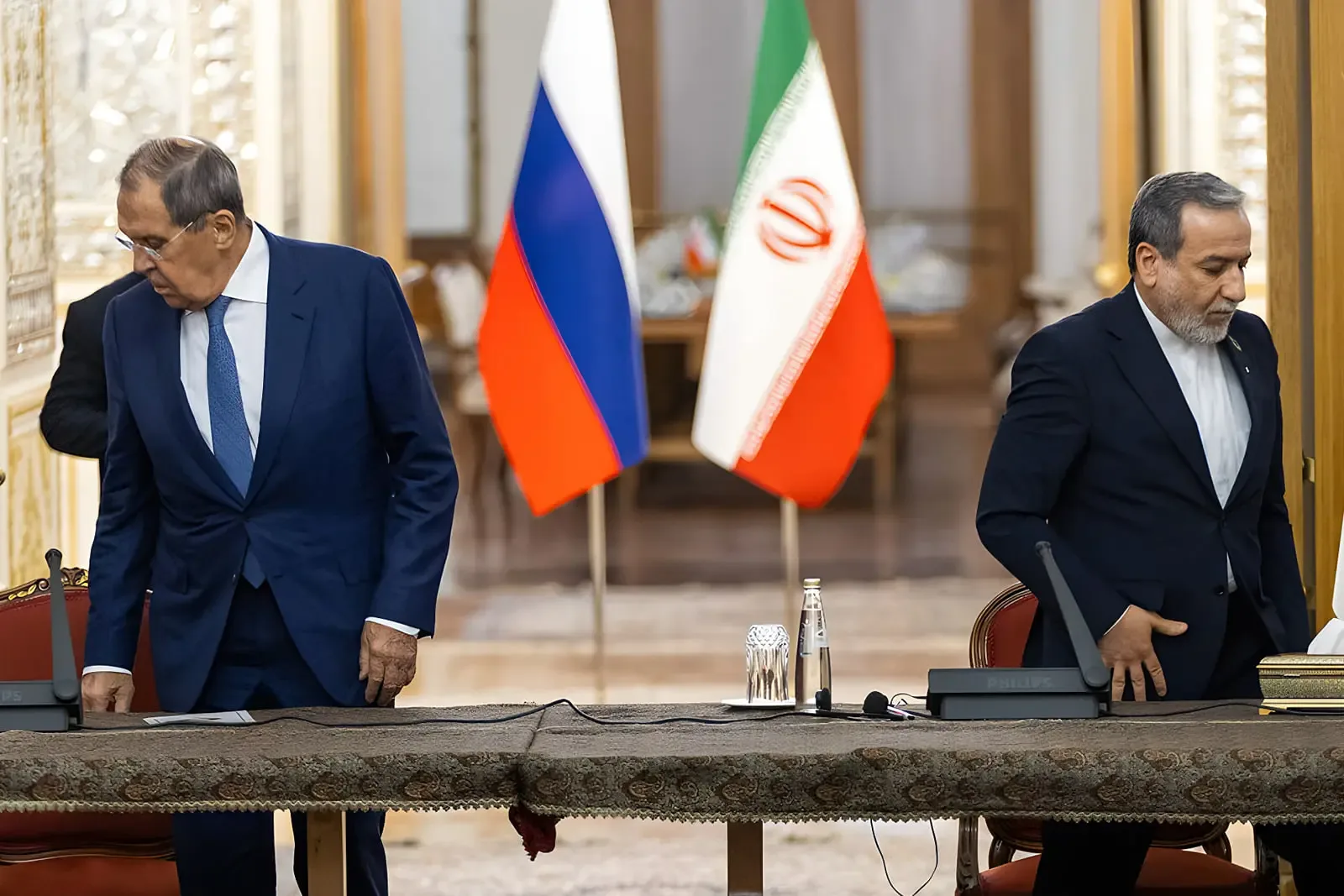
Sergey Lavrov arrived in Tehran on Monday, October 19, 2023, and met with Abbas Araghchi, the Iranian Foreign Minister, for discussions. This visit occurs amid increasing speculation about its objectives and the potential message from Russia to Tehran. According to reports, one of the main goals of Lavrov's visit was to present a proposal for managing the Strait of Hormuz as a consortium, which faced opposition from Tehran.
Read more: Iran and Azerbaijan Agreement to Strengthen Border Cooperation and Crisis Management
Regional and International Developments
The Iranian Foreign Ministry has stated that discussions about regional and international developments, the ongoing crisis in the region, and the pursuit of bilateral agreements were among the main focuses of Lavrov's visit to Tehran. In this context, some sources referred to rumors about a Russian proposal for transferring Iranian uranium to Moscow, but an informed source denied this, stating that the Russian side did not present any proposal regarding uranium transfer during this visit.
The issue of joint management of the Strait of Hormuz had previously been raised in regional negotiations. In July of this year, Iran opposed Oman’s proposal for regional management of this waterway and emphasized its rights in managing shipping routes. This reflects Iran's firm stance on managing water resources and shipping in the Strait of Hormuz.
Russia's Support for Gulf Security
In recent months, Russia has also supported the establishment of a regional mechanism to ensure the security of the Persian Gulf. Before his trip to Tehran, Lavrov emphasized the participation of regional countries in decision-making regarding the security of the Persian Gulf during the meeting of the Russian Foreign Ministers and the Gulf Cooperation Council. This indicates Russia's efforts to play an active role in the developments in the Persian Gulf and influence the policies of this region.
Ultimately, Iran's rejection of Russia's proposal clearly reflects Tehran's independent and firm stance on regional security and economic issues. This position is crucial for safeguarding national interests and ensuring Iran's national security, and it may have implications for Iran-Russia relations in the future.
Read more: Iran has prolonged talks to influence the U.S. midterm elections · Qatar warns about the impact of disruptions in underwater cables in Hormuz on the region