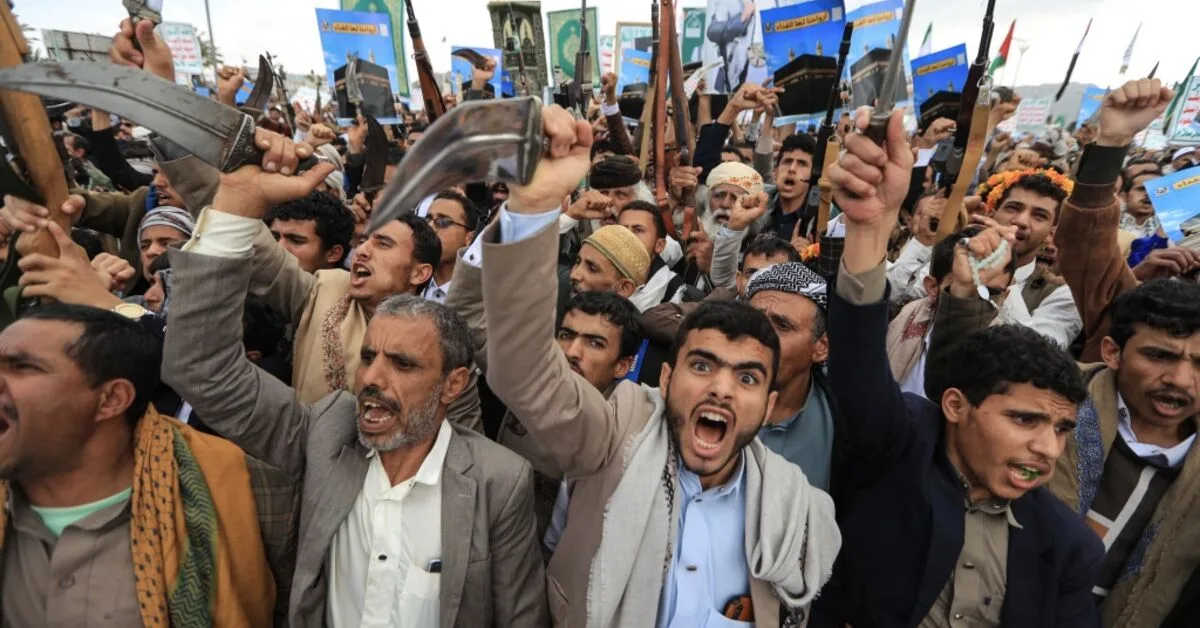
Pakistan is in a sensitive situation where developments in Yemen have put it at odds with its commitments to Saudi Arabia and its traditional policy of avoiding foreign wars. With the announcement by Rashad Al-Alimi, the head of Yemen's Presidential Leadership Council, regarding the start of "Yemen's Fajr Operation" and the holding of a meeting of the political and strategic defense committee of the "Makkah Agreement" in Riyadh, speculation about Pakistan's potential military involvement in Yemen has intensified.
Turkey and Pakistan's Presence at the Riyadh Meeting
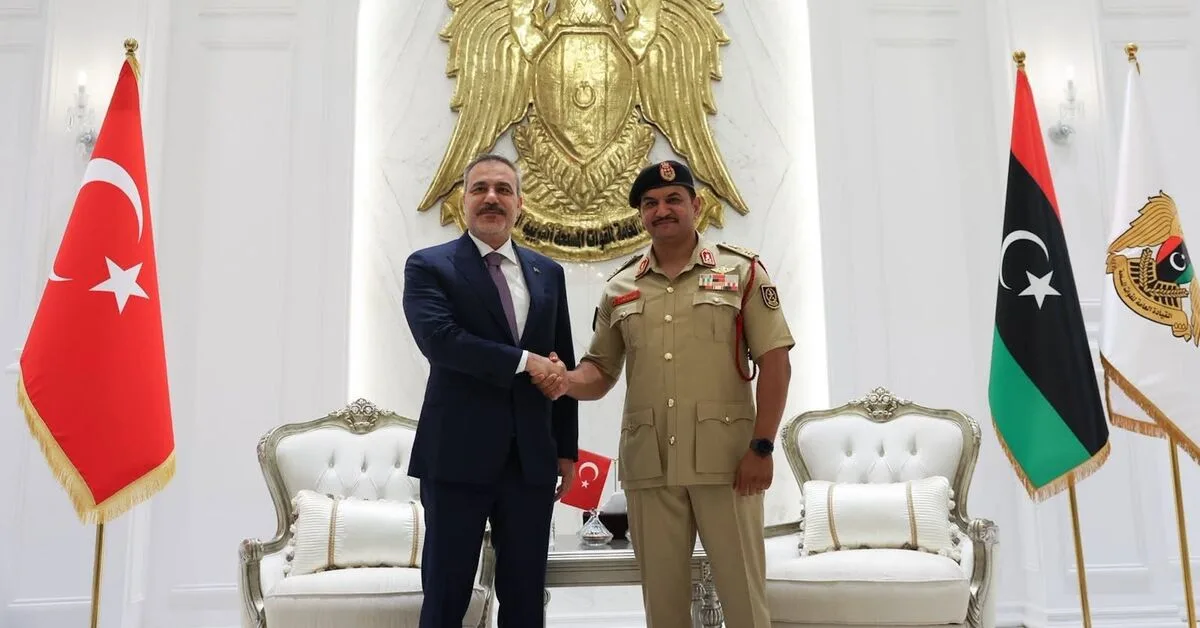
At the mentioned meeting, the foreign and defense ministers and the chiefs of staff of the armed forces of Turkey, Saudi Arabia, and Pakistan were present. Ishaq Dar, Pakistan's foreign minister, announced that Iran has suggested politically engaging with Yemen's Ansar Allah movement, and this issue was on the agenda of the Riyadh meeting. He emphasized that the "Makkah Agreement" has a defensive nature and is not aggressive.
Read more: The Impact of the Decline of American Power on the Security of the Arab East
Domestic and Foreign Concerns
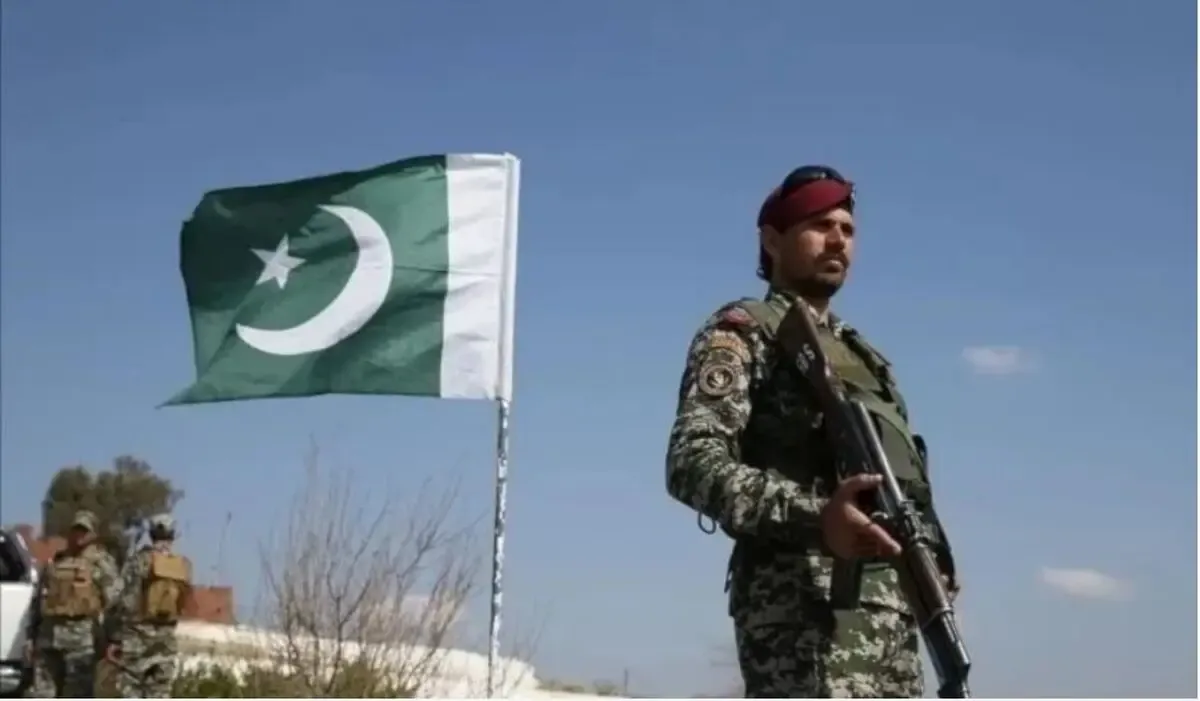
Ahmed Shudri, spokesman for the Pakistan Army, while emphasizing his country's security commitment to Saudi Arabia, warned that any aggression against Saudi territory could activate this agreement. However, reports indicate that Turkey and Pakistan's role in the Yemen conflict will be limited to defensive and advisory support, and there is no indication of their intention to deploy combat forces.
As Pakistan faces economic crises and the activities of separatist armed groups, entering the Yemen war could be catastrophic. Raja Nasir Abbas, the opposition leader in the Senate, raised concerns that such an action could affect internal stability and social cohesion.
Pakistan currently emphasizes three principles: supporting Saudi security, strengthening cooperation with Riyadh, and maintaining the unity and territorial integrity of Yemen. However, rising tensions in the Red Sea and an attack on a commercial vessel that resulted in casualties among Pakistani nationals have raised concerns about a shift in Islamabad's approach.
Some observers believe that if the "Makkah Agreement" is activated, Pakistan's economic dependence on Saudi Arabia may push Islamabad toward military participation. While Saudi Arabia has recently offered a financial and investment package of $8 billion to Pakistan, analysts have also warned about the social consequences of this partnership.
Read more: Mikhail Ulyanov's Reaction to Scott Bessent's Comments on Iran's Economy · Sohail Tanveer: The Clash Between India and Pakistan in the 2027 World Cup Will Be Exciting