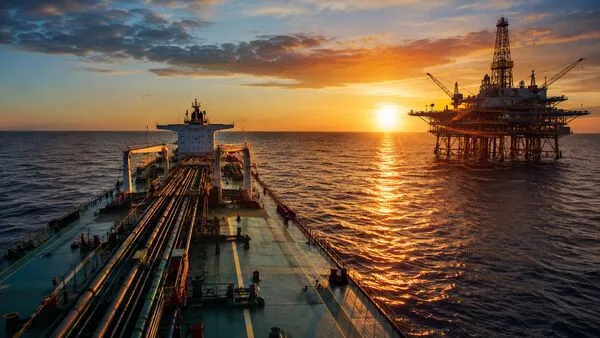
Crude oil exports from the Persian Gulf last week exceeded 14 million barrels per day, crossing this threshold for the first time since the start of the Iran war on February 28. This significant increase indicates an improvement in the oil export situation in the region.
210% Increase in Crude Oil Exports
According to published data, crude oil exports from the Persian Gulf have increased by more than 210% compared to the low of about 4.5 million barrels per day in March. The four-week average of exports has now reached about 14 million barrels per day, the highest level in the past six months.
However, crude oil exports from the Persian Gulf are still about 20% lower than pre-war levels and have returned to about 80% of the usual amount before the onset of hostilities. This increase in exports has occurred as shipping security in the Strait of Hormuz has improved, and with the increased military presence of the United States, a shipping route has been established along the coasts of Oman.
Challenges in the Petroleum Product Market
The situation in the petroleum product market remains different from that of crude oil. The shipment of products such as gasoline, diesel, and jet fuel is still about 50% of pre-war levels. This means that the speed of the return of product flows has been almost half the speed of the recovery of crude oil exports.
One reason for this situation is the higher transportation costs of petroleum products compared to crude oil. Additionally, some refineries in the Persian Gulf region that were damaged in the early stages of the war have not yet fully returned to production. Therefore, while crude oil exports are on the path to recovery, the fuel market still faces supply shortages and severe pressure.
Recent developments indicate the important point that the return of crude oil to the market does not necessarily mean the resolution of the petroleum product crisis. While Persian Gulf oil exports have reached about 80% of pre-war levels, the flow of gasoline, diesel, and jet fuel is only about 50% of pre-war levels. For this reason, the main bottleneck in the current energy market is more related to refining capacity, transportation of products, and the return of damaged refineries to production.
Read more: The U.S. deployed more Patriots to protect Saudi oil facilities and Qatari gas facilities · Production of new drones in the United Arab Emirates and strengthening military cooperation