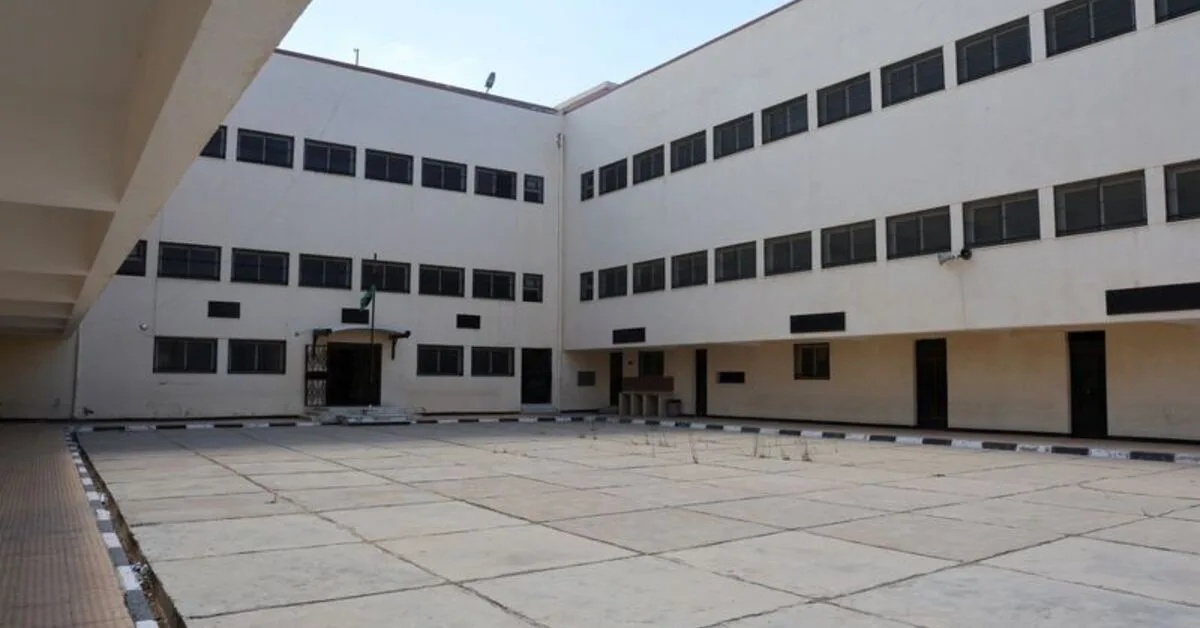
The teachers' strike in Libya has disrupted schools across the country and delayed the start of the new academic year due to the lack of proper pay and poor working conditions.
Reasons for the Teachers' Strike
The teachers' strike began on September 13, the day schools were supposed to reopen. Teachers gathered and protested in front of schools and government buildings in the capital, Tripoli. Two weeks later, the teachers' union escalated the strike to a nationwide and indefinite strike in public schools.
Read more: Withdrawal of the US-led Coalition from Iraq
This strike is the latest unrest in a country that still faces serious instability following the NATO-backed uprising in 2011 against Muammar Gaddafi. Libya also struggled last summer with widespread power outages and labor unrest that recently disrupted production in its largest oil field.
Challenges Faced by Teachers and Their Demands
Teachers say low salaries and poor school conditions have driven them to strike. Mustafa Al-Bahilal, head of the teachers' union in the Ain Zara area of Tripoli, stated, "These are not demands, but rights that must be addressed."
Teachers face challenges such as a lack of computer labs and worn-out desks and benches that are often unusable, forcing staff and parents to provide equipment personally. Many teachers are also compelled to work second jobs due to low salaries.
Hamza Al-Farjani, a teacher from Tripoli, expressed, "Promises are made to them, but all these promises are empty."
The Ministry of Education has yet to respond to interview requests regarding this matter.
Mohammed Al-Jahwi, head of the teachers' union in Benghazi, said that these strikes are a result of rising food prices and other costs that have forced many teachers to struggle to meet their basic needs.
Parents' concerns about this prolonged disruption in their children's education have increased. Salah Awad, a 47-year-old father of three children in Benghazi, expressed hope that teachers' needs would be met but also voiced fears about the impact on students. He said, "This is not a good time for a strike."
Read more: Unexpected Journey of Samit Machhar, Indian Aviation Hero in the Faidoobi Flight Incident · Signing of Cooperation Agreement Between the Royal Oman Force and Dhofar University