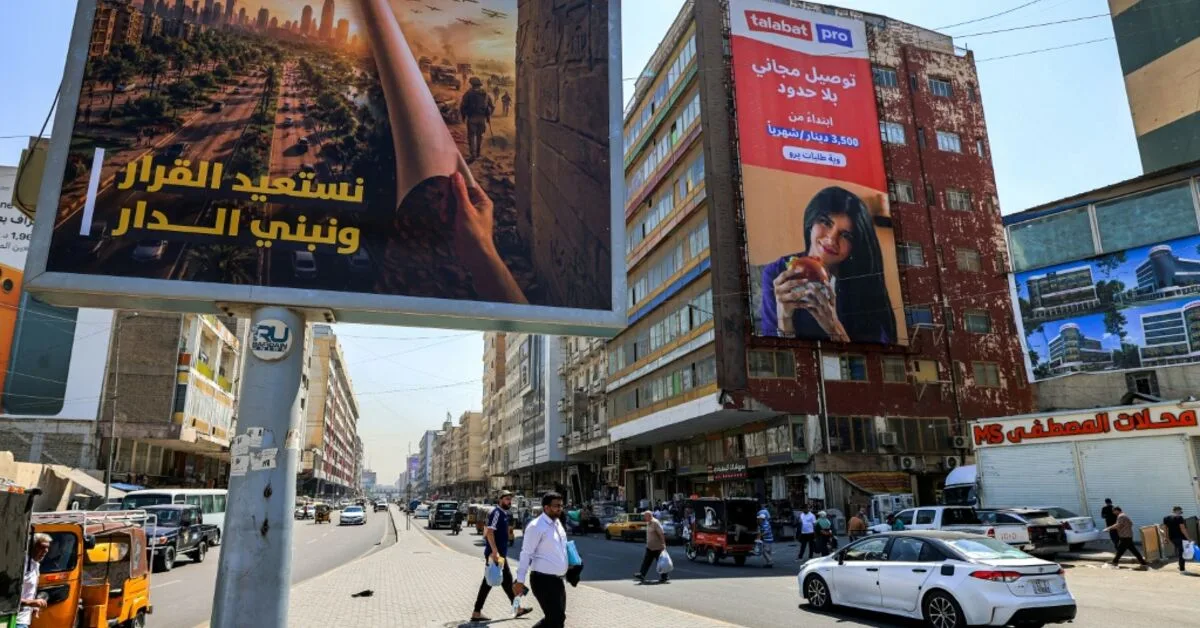
The coalition led by the United States has concluded its mission in Iraq after more than a decade. This coalition was formed to help rescue Iraq from jihadist groups and has been active in the country since 2014.
History of Coalition Operations
Coalition forces were deployed to Iraq and Syria in 2014 to fight against the ISIS group, which had seized large parts of both countries and committed horrific crimes. ISIS was defeated in Iraq in 2017 and in Syria in 2019, but coalition forces continued their presence to counter the remnants of this group.
Read more: Algeria: Deep Reform of the Security Council is Necessary
Agreement to End the Mission
The governments of Baghdad and Washington agreed in 2024 to conclude the coalition's mission, with its forces gradually withdrawing from their bases across the country and limiting their presence to the autonomous Kurdistan region. Their final exit from this region is scheduled for Wednesday.
The Iraqi government believes that the coalition's withdrawal will eliminate the pretext that armed groups supported by Tehran used to maintain their weapons. Ali Al-Zaydi, the Prime Minister of Iraq, has announced that the day after the coalition's withdrawal, October 1, should be celebrated as a day of sovereignty.
He also emphasized that "the presence of weapons outside the sovereignty of the government should be reviewed" and that this should be done in a way that strengthens the government's sovereignty.
Al-Zaydi's government, which came to power this year with U.S. support, has promised to strengthen the monopoly on weapons and ensure that armed groups hand over their weapons to the government. Initially, September 30 was set as the deadline for disarming the groups, but this deadline was postponed after continued negotiations to "regulate" the weapons.
Despite several powerful groups refusing to disarm, senior politicians are working to reach an agreement. Some groups have set conditions that include ending the presence of foreign forces as well as halting U.S. political and economic interventions.
The powerful Kata'ib Hezbollah group has stated that the withdrawal of "occupying" forces is a step towards achieving complete sovereignty, but they have also threatened to target the Al-Zaydi government if it does not act in the interest of its people.
Read more: Lebanon Received 20 Convoys from the Sultanate of Oman · Withdrawal of U.S. Forces from Iraq and Its Impact on Regional Security