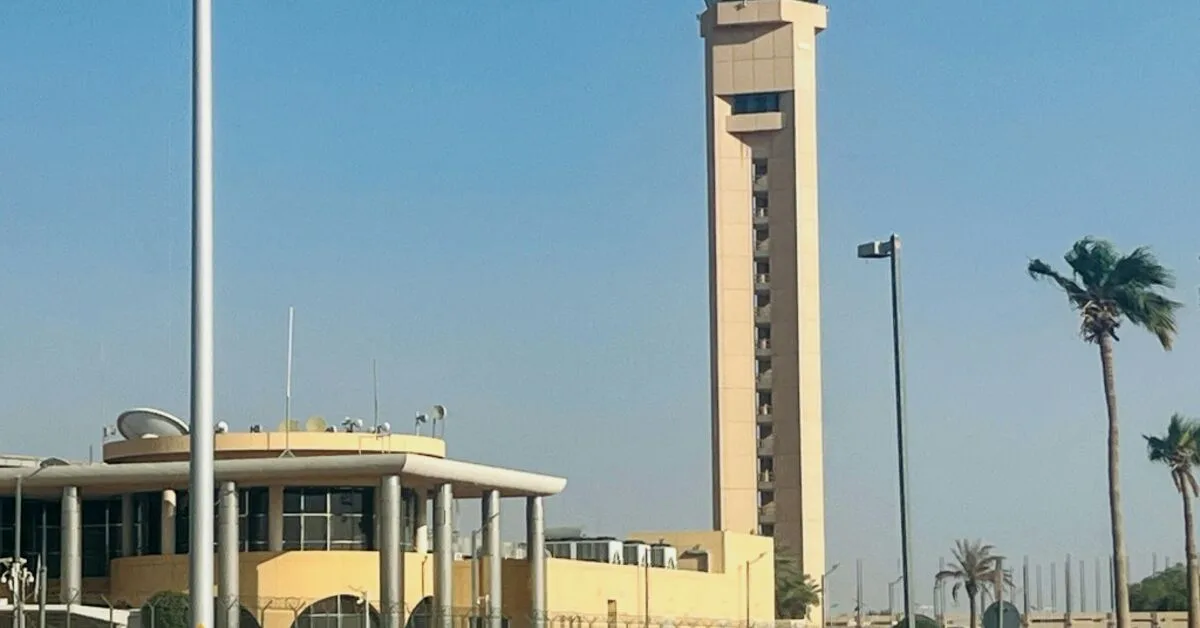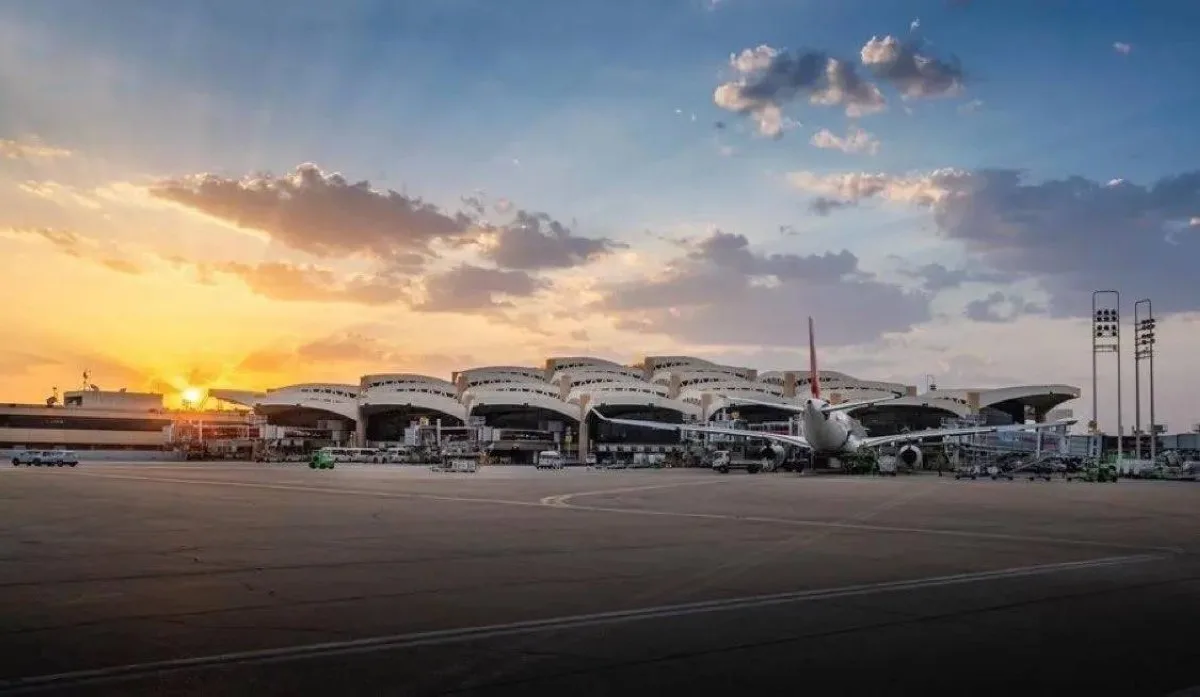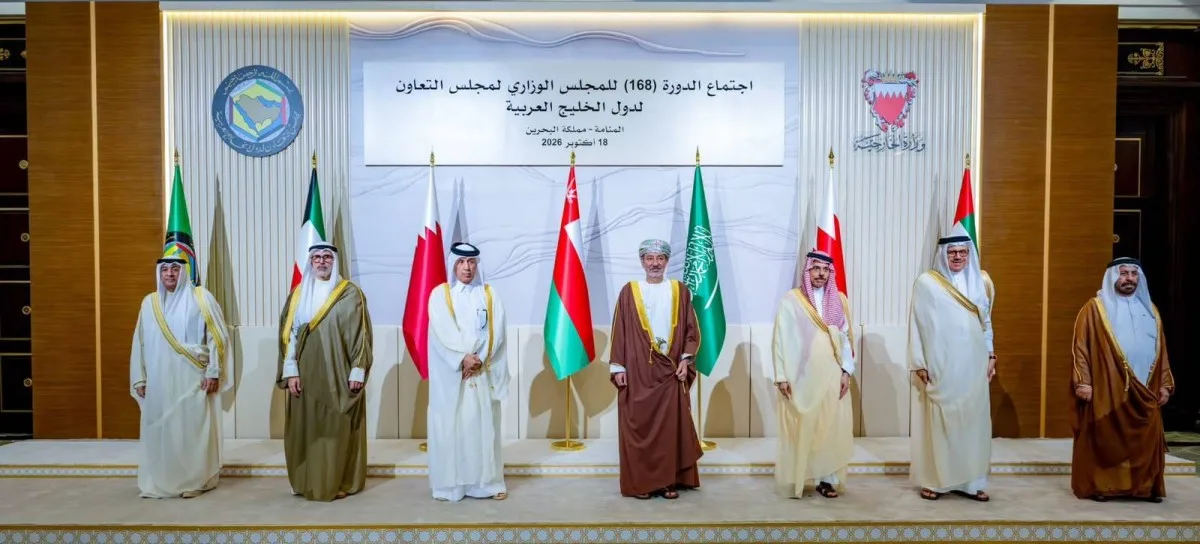
The Gulf Cooperation Council (GCC) in its 168th session held in Manama condemned "in the strongest possible terms" the ongoing terrorist attacks by the Houthi militia on Saudi Arabia, describing these actions as a clear violation of international law and humanitarian law. The council emphasized that these attacks included targeting two holy mosques and their surrounding areas, civilian airports, and vital facilities, endangering the lives of civilians.
Condemnation of Attacks and Call for International Action
This session was chaired by Bahrain's Foreign Minister, Dr. Abdullatif Al-Zayani, and included the foreign ministers of GCC member countries, including Kuwait's Foreign Minister, Sheikh Jraih Jaber Al-Ahmad Al-Sabah, and the Secretary-General of the Council, Jassim Al-Budaiwi. The council also expressed condolences to the families of the victims and wished a speedy recovery to the injured.
Read more: The Gulf Cooperation Council Calls for the Designation of Ansar Allah as a Terrorist Organization
The Gulf Cooperation Council called for the implementation of United Nations Security Council resolutions regarding Yemen, which include Resolution 2216 (2015) and Resolution 2722 (2024) concerning attacks on ships in the Red Sea. The council urged the United Nations and the international community to strictly enforce the arms embargo against the Houthi militia and also called on the Security Council and its permanent members to take responsibility for protecting freedom of maritime and aerial navigation, which has been described as a common international interest.
Iran's Responsibility and the Consequences of Attacks
The council also condemned Iran's ongoing missile and drone attacks on GCC countries and Jordan, holding Iran fully responsible for these attacks. These attacks have seriously damaged civilian facilities, residential areas, and diplomatic missions, threatening the security of citizens and residents. The council rejected all claims and justifications from Tehran and called for an immediate and unconditional halt to all attacks and provocations.
The Gulf Cooperation Council emphasized the importance of the security of the Strait of Hormuz, the Bab el-Mandeb Strait, and the Red Sea as vital waterways, warning that the closure of these waterways or targeting commercial vessels could pose a threat to international peace and security and jeopardize the supply of energy, food, and medicine.
The council also called on the Security Council to take necessary measures to ensure the full implementation of resolutions and emphasized the need to return to diplomacy and dialogue to resolve the crisis and maintain security and stability in the region. The council stated that any agreement with Iran must include all outstanding issues, including its nuclear and missile programs, and that GCC countries must participate in any negotiations that affect their security and interests.
Read more: Exchange of Attacks Between the Saudi Coalition and Houthis in Yemen · Abbas Araghchi Emphasized Regional Security at the Organization of Islamic Cooperation Meeting