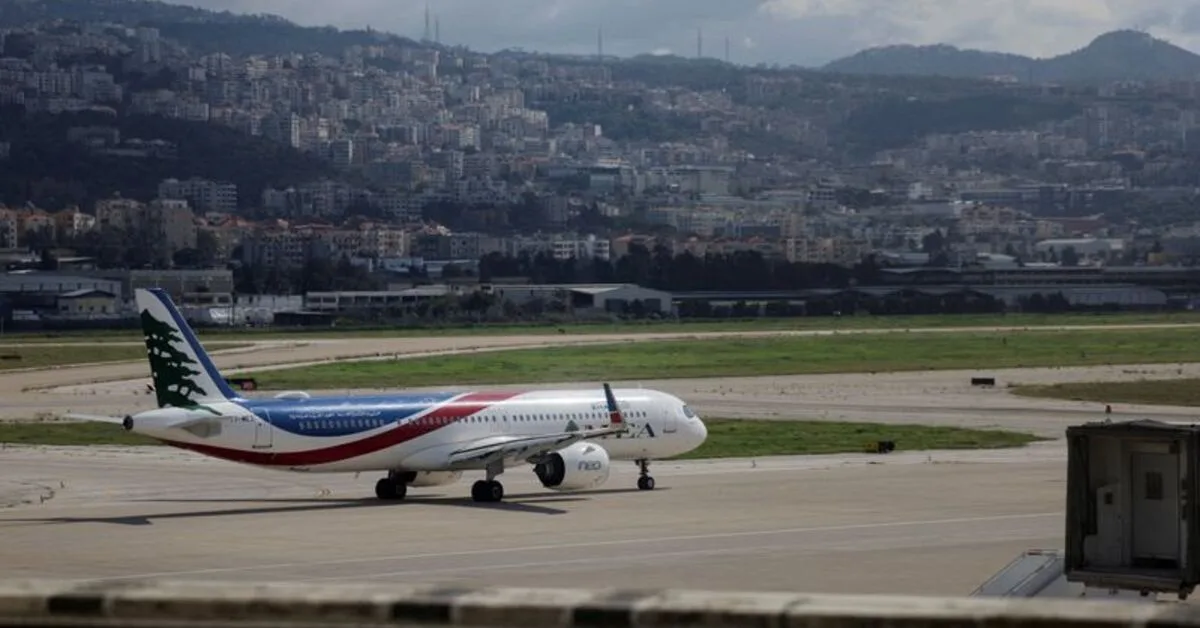
The United States is seeking to revive direct flights to Lebanon, but a recent United Nations report highlights serious issues at Beirut's Rafic Hariri International Airport. These challenges could negatively impact the U.S. government's plans to resume flights.
Historic Shift in Air Relations
The U.S. government under Donald Trump announced in July of this year its decision to revive direct flights to Lebanon. This move comes after four decades of suspended flights due to the hijacking of TWA Flight 847 in 1985. Last month, Trump also signed an order allowing direct flights from the United States to Lebanon, which is seen as an important step towards strengthening the relations between the two countries.
Read more: The Sultanate of Oman and Pakistan signed an agreement and memoranda of understanding
The Lebanese Embassy in Washington described this order as "an important first step towards reviving direct air services between Lebanon and the United States." However, a recent report from the International Civil Aviation Organization (ICAO) identified serious problems at Beirut Airport.
Airport Issues and Need for Improvement
According to the report, Rafic Hariri International Airport in Beirut lacks a valid certification, and the existing firefighting resources at the airport are only suitable for single-aisle aircraft and are inadequate for long-range twin-aisle jets. Additionally, the airport lacks an emergency plan and has an expired temporary certification.
The report also indicates that the Lebanese Civil Aviation Authority (LCAA) lacks qualified inspectors to oversee air traffic control permits, and there is no independent and fully operational entity to investigate aviation accidents. These issues were discussed in a two-day workshop attended by ICAO officials and the Lebanese government, highlighting serious challenges in the path to reviving direct flights.
Fayez Rasamni, Lebanon's Minister of Transport, has stated that the country is taking steps to address these problems and expects the temporary certification to be issued in the coming days. He added that most of the issues raised in the report have already been identified and corrective actions are underway.
Security and Economic Implications
The U.S. government has also advised its citizens not to travel to Lebanon due to security concerns. These concerns particularly relate to military activities around Syria and the dangers posed by surface-to-air missiles. This situation has led foreign airlines to avoid the larger airspace of the Middle East due to missile and drone threats.
Nevertheless, Lebanon and its national airline have been praised domestically for maintaining air navigation and flight services. These services have significantly contributed to the country's economy, which relies on tourism and remittances. Currently, although there are no direct flights between Beirut and the United States, air services are established between Lebanon and several major European cities.
Given the existing challenges, it seems that American airlines will not be ready to resume flights to Lebanon in the short term. This situation could negatively affect trade and tourism relations between the United States and Lebanon.
Read more: Chinese Foreign Minister: Israel must stop the forced establishment of settlements in the West Bank · Abdel Fattah el-Sisi: Egypt has no territorial ambitions