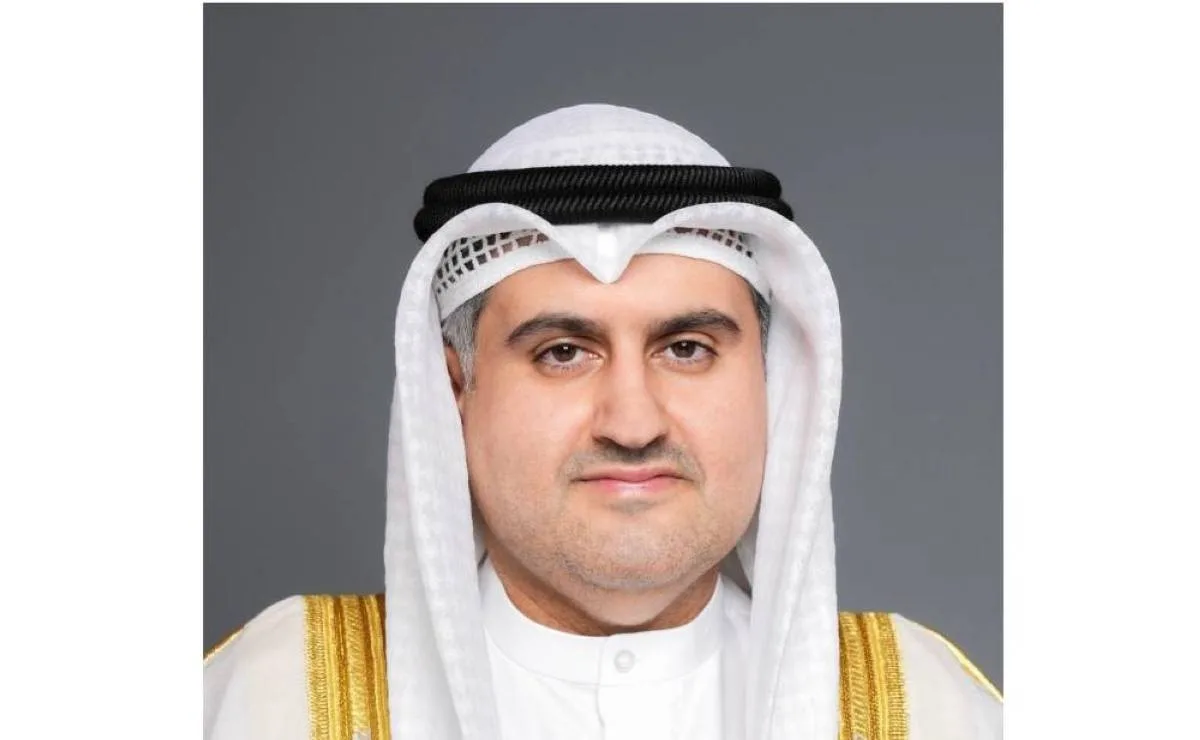
Sheikh Saud Al-Thani, the Minister of Defense of Qatar, presented an interesting proposal at the opening of the Doha Global Security Conference that could be considered as a way to reduce existing tensions in the Persian Gulf region. Reflecting on the historical experience of France and Germany, he proposed the formation of an economic union similar to the European Union for the Gulf countries and Iran.
Historical Experience and the Necessity of Cooperation
Sheikh Saud Al-Thani pointed out that France and Germany were involved in war and conflict for nearly 75 years in the recent past, but eventually, in 1967, they decided to focus on economic cooperation instead of war. This decision led to the development of joint projects like Airbus in 1970 and ultimately resulted in the formation of the European Union. Al-Thani emphasized that "Iran is ultimately a neighbor," noting that one cannot be perpetually at war with a neighbor and must move towards regional cooperation.
Read more: The Gulf Cooperation Council accuses Iran of missile and drone attacks
Obstacles and Challenges
Although this idea seems positive and constructive, there are serious obstacles that must be addressed. One of these obstacles is the geopolitical conditions that arose after World War II, particularly during the Cold War, which forced Germany and France to cooperate. At that time, these countries were not at the center of the world, and if they had not moved towards economic cooperation, they could have easily been swallowed by two major global powers. Currently, the countries in the region also face common threats that require greater cooperation and solidarity.
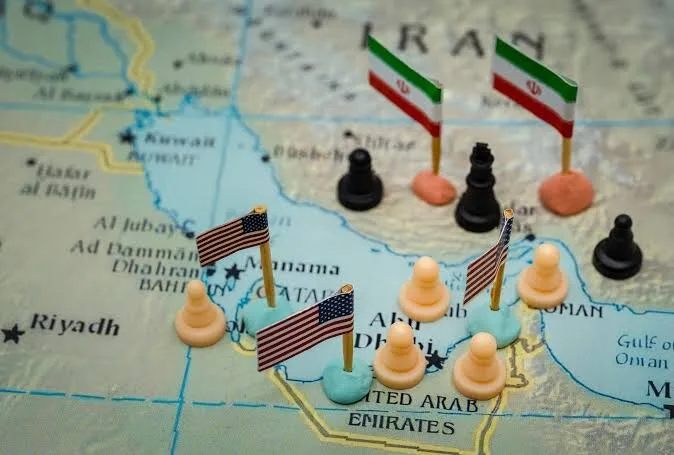
After the recent 40-day war, the countries in the region have clearly realized the costs associated with the doctrine of security dependence and reliance on foreign powers like the United States. The bitter experiences, especially imposed by Israel, have led the countries in the region to consider establishing new relationships. However, currently, there are no signs of a change in the approach of the regional countries.
For example, the United Arab Emirates continues to make unfounded claims about Iran's three islands and has expanded its security cooperation with Israel at times when Netanyahu committed war crimes in Gaza. These collaborations have had negative consequences for regional stability and have complicated the situation in Yemen.
Nonetheless, the development of economic cooperation among the Gulf countries and Iran could provide suitable grounds to face common challenges. The academic and industrial capacities of Iran, the financial resources of the regional countries, and the need for cooperation in addressing environmental challenges are among the factors that could help strengthen this cooperation.
To sustain these approaches and reduce the likelihood of war and insecurity, countries must have a serious will to recognize and take joint action against threats and avoid foreign interventions.
Read more: Sergey Lavrov's visit to Iran and its diplomatic dimensions · The Gulf Cooperation Council calls for recognizing the Houthis as terrorists