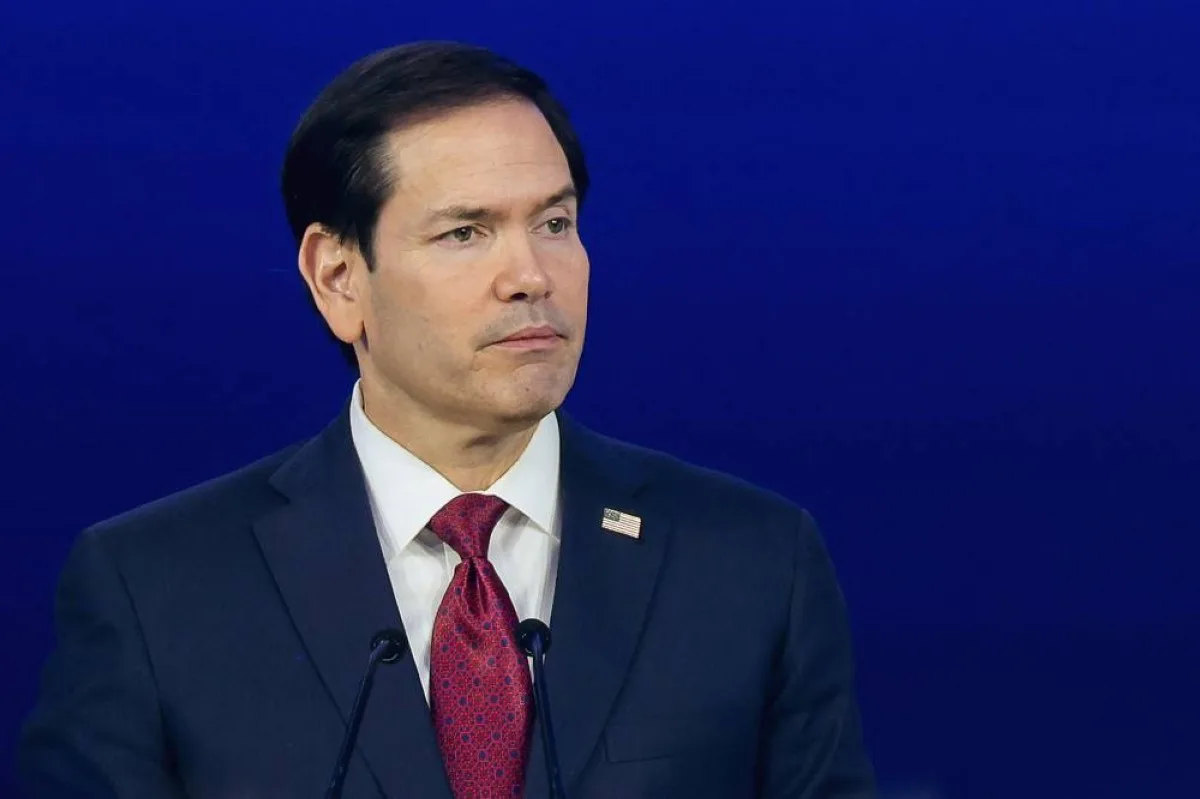
Marco Rubio, the U.S. Secretary of State, will travel to India on Tuesday to emphasize diplomacy and trade during his second official visit to the country this year. This trip, which is part of an Asian tour, follows a stop in Uzbekistan where Rubio highlighted the importance of strengthening cooperation with Central Asian countries.
Discussions with Indian Officials and Business Leaders
During this visit, Rubio will meet with Subrahmanyam Jaishankar, the Indian Foreign Minister, in Mumbai and will engage with business leaders in the country. Previously, he visited New Delhi and Kolkata in May, where he toured the Taj Mahal and met with Narendra Modi, the Prime Minister of India. This time, there are no plans for a meeting with Modi. Rubio will also travel to Jamnagar in the state of Gujarat, home to the port and headquarters of Reliance, owned by billionaire Mukesh Ambani, which includes the world's largest refinery. He is also expected to lay flowers in memory of the 166 people who lost their lives in the Mumbai attacks in 2008.
Read more: Oman Ambassador Presents Credentials to the King of Malaysia
Trade Challenges and Pending Agreements
This visit comes as the two countries are striving to finalize a trade agreement that has caused multiple tensions. Reports suggest that Washington and New Delhi were close to an agreement in Samarkand, but the chances of finalizing it during this visit appear slim. The tariff war initiated by President Donald Trump since April last year has added to tensions regarding India's imports of Russian oil and the closer U.S. relations with Pakistan, India's historical rival.
Regarding the temporary exemptions from U.S. sanctions on Russian oil, Rubio stated that Washington must consider various factors, including our bilateral relations with other countries and their actual capabilities in meeting their energy needs. He added, "We cannot disrupt the economies of other countries over a central issue."
The two countries reached a temporary trade agreement in February to reduce U.S. tariffs on Indian goods, but a few days later, the U.S. Supreme Court rejected Trump's broad tariffs, creating uncertainties about the timing of this agreement's implementation. Indian Finance Minister Nirmala Sitharaman described the negotiations this month as reaching "a level" beyond which granting or taking may be very difficult.
Read more: UN World Food Program Reports Reduction of Food Aid to Gaza · Zelensky Hopeful for Meeting with the U.S. and Russia at the G20 Summit